Why Bone Health Matters and How Strength Training Helps
Approximately 10 million Americans have osteoporosis and another 44 million have low bone density, placing them at increased risk. One in two women and up to one in four men over age 50 will break a bone due to osteoporosis. Most of us know that strength training can build muscle and strength. What many of us don’t know is that the same stress on our bodies helps build stronger bones.
What is osteosacropenia?
Loss of muscle mass and function (sarcopenia) and loss of bone mass (osteopenia or osteoporosis) are major problems for the elderly population. These two age related conditions often go hand in hand and have recently been termed osteosacropenia. Loss of bone and muscle increases risk of falling and fractures which can lead to loss of physical abilities (e.g., being able to walk across a room without help) and even death.
Studies have shown that bone loss begins between age 30 and 40, and rapidly increases for women post-menopause. The causes of muscle and bone loss are multifactorial; genetics, hormonal changes, nutrition and lifestyle. The biggest factor with muscle loss is disuse – use it or lose it!
The good thing is that osteosacropenia are preventable and manageable! Think of bone and muscle loss like withdrawing from your retirement savings. The more money you contribute and the longer you contribute, the better off you’ll be later in life. Building muscle and strong bones should start as early as childhood but it’s better to start late than never.
There are numerous behaviors that help prevent and manage osteosacropenia:
- Strength training or resistance training – this is what we’ll focus on in this article.
- Adequate calcium from food and supplementation
- Adequate vitamin D from sun exposure and supplementation
- Speak to your doctor about a bone density test and possible medications
- Avoiding smoking and excessive alcohol
How can we prevent and manage osteosacropenia?
Resistance training is a low-cost and effective non-pharmacological strategy for building and maintaining both muscle and bone. For exercise to affect your bone and muscle health, the mechanical load needs to exceed those experienced in daily activities.
Aerobic exercise (e.g., swimming, cycling, and walking) is widely beneficial to all body systems, but none of these activities provide an adequate stimulus for bone and muscle growth. Regular walking, which is frequently prescribed to prevent osteoporosis, also has little or no effect on bone loss.
Resistance training involves progressively loading your body with modalities such as free weights, machines, medicine balls, and body weight exercises. It has been shown to be safe and effective for improving muscle mass, size, and strength in middle-aged and older adults, including the frail elderly and even those with a history of fracture.
Resistance training involves progressively loading your body with modalities such as free weights, machines, medicine balls, and body weight exercises. It has been shown to be safe and effective for improving muscle mass, size, and strength in middle-aged and older adults, including the frail elderly and even those with a history of fracture.
In terms of frequency of resistance training, the WHO recommendation for people 65 years and above is that muscle-strengthening activities should be done 2 or more times per week. I’ll add that the same recommendation should be applied to those under 65 as well.
In addition to the bone and muscle benefits, a well designed individualized program will develop other qualities such as coordination and balance which help reduce risk of falling and better prepare you to handle a fall.
Please note that these should be avoided if you’ve been diagnosed with osteoporosis:
- Foam rolling
- Spinal flexion based movements like crunches or rounding your back to bend over
While the osteoporosis statistics may be frightening, think of how many behaviors you can use to be stronger, healthier, and more capable in your life. Strength training is one of the best things you can do to improve your bone health and other aspects of your life and is beneficial for people of all ages.
Further reading:
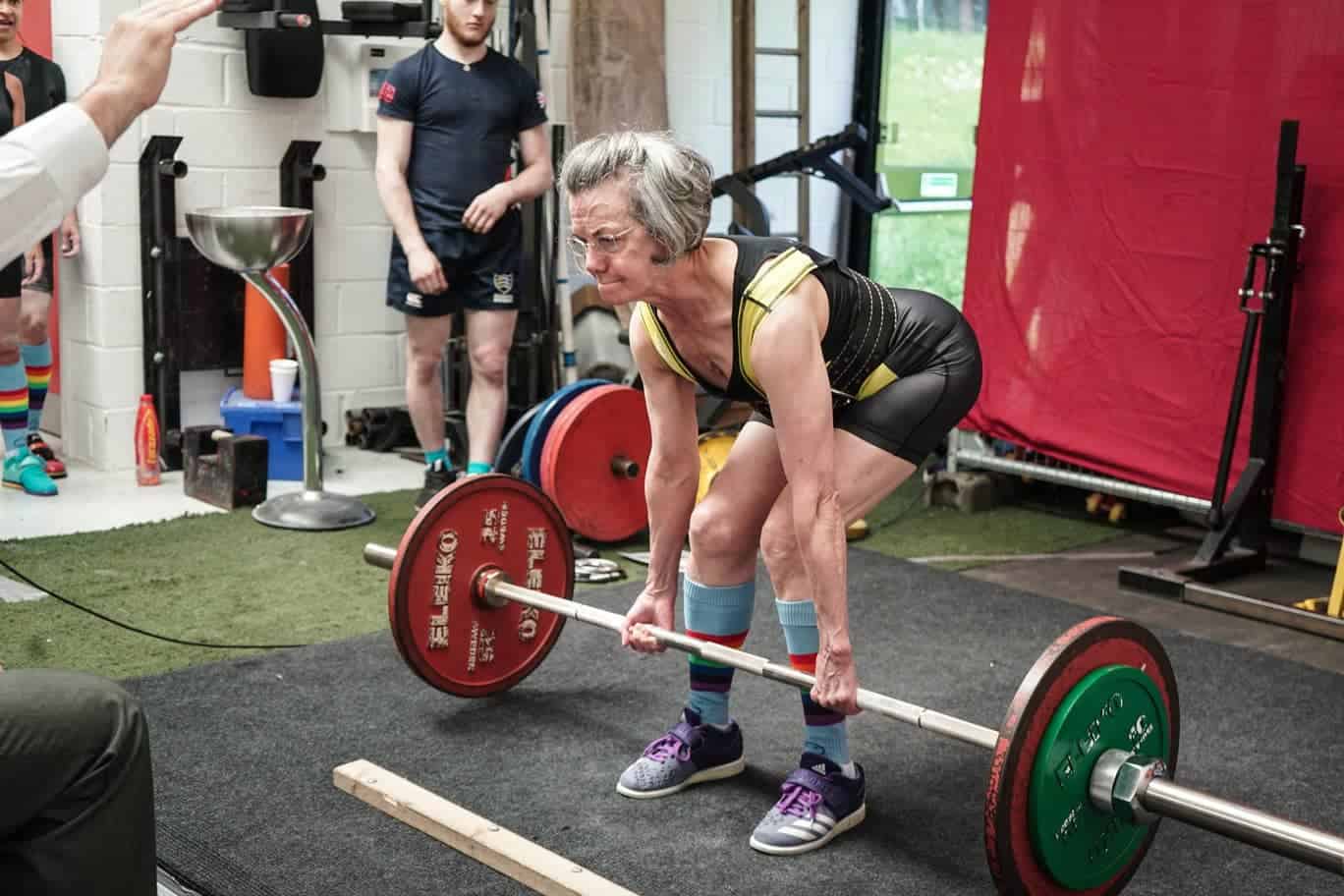
Article about Dr Catherine Walter, the 71-year-old powerlifter
The US Department of Health and Human Services Office on Women’s Health fact sheet
National Osteoporosis Foundation fact sheet
Bone Loss: Epidemiology of bone loss
Muscle and Bone Mass Loss in the Elderly Population: Advances in diagnosis and treatment
crazy time live statistiche https://crazy-time-rome.com/